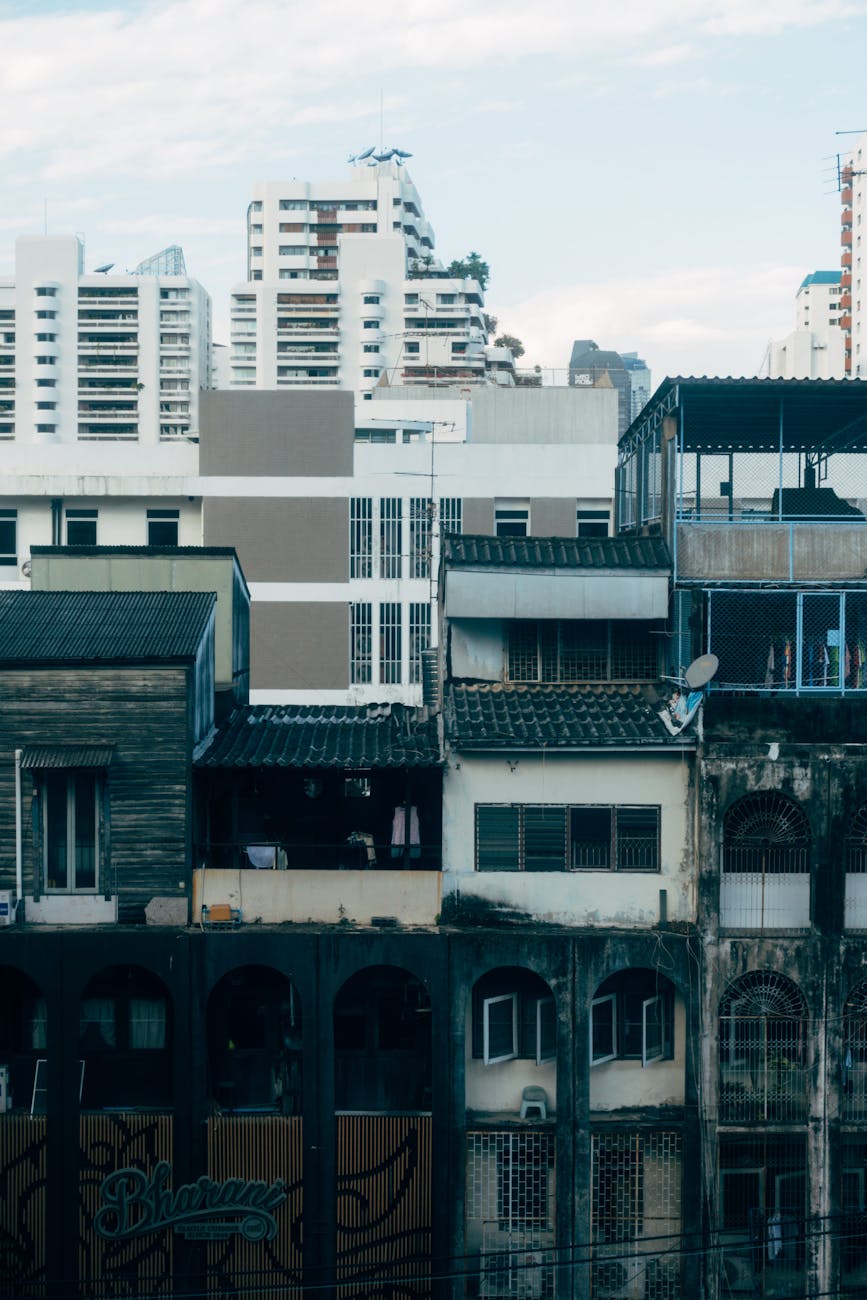
Gentrification of neighborhoods has pushed out lifelong residents for years. From New York to LA to Seattle, the rich moving in meant that prices would skyrocket. People who lived there their whole life could no longer afford rent. What those in real estate and business pass off as progress is really a classist action that prioritizes money and aesthetics over people. In Louisville we can see the first hand impact of gentrification. From the Nulu district to Airbnb, working class residents of Louisville have been pushed out of their neighborhoods and forced to put their life on pause during Derby. All this so landlords and businessmen can turn a profit. Gentrification like capitalism does not breed invention, it only benefits the few while leaving others reeling from damage that cannot be undone.

Proponents may tell you that through gentrification progress is made. With new businesses coming in there are more jobs but most of what they provide is anecdotal evidence. They tend to leave out the reality for low and moderate income residents. With newer businesses coming in, mom and pop shops are being run out. Locals are being displaced and with them go the businesses that were already there. What they say will bring more jobs to the neighborhood is actually pushing out the people who live and work there already.
The numbers will tell you that after a neighborhood has been gentrified, jobs have gone up. The problem though is that gentrification has replaced industries that produce goods. Neighborhoods are being reworked to provide service for the few while taking goods from the majority. This is why businessmen and Mayors like Louisville’s own Craig Greenberg want to make Louisville a tourist city. They want the city to cater to tourists and not locals.2
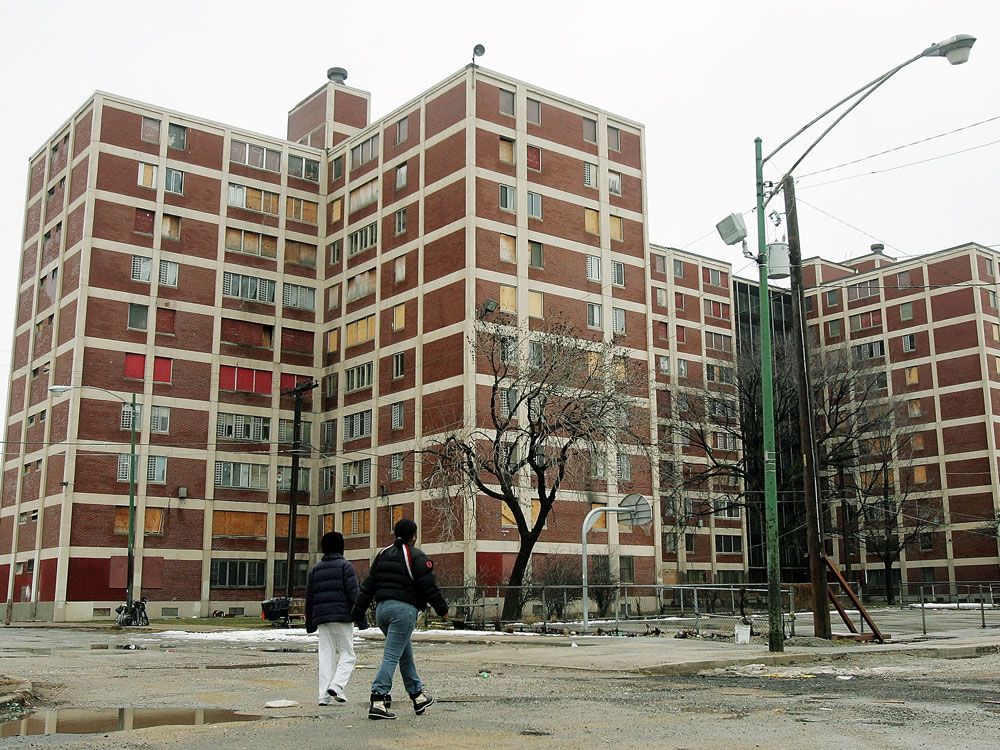
Copyright: 2005 Getty Images
Coined in London in 1964, gentrification is a problem that persists. While there may be positives on a lower scale, the reality is that those positives are not impactful enough to warrant the effect it has on people’s lives. Even with the jobs that it creates the numbers do not benefit the people that it should. Instead it positively impacts the bourgeois who grow their wealth while low income people are displaced from their homes.
Cabrini-Green, has become a metonym for the problems associated with low income housing. High crime rates and building deterioration gave developers their reasons to gentrify the area. Cabrini-Green has undergone some changes becoming a mixed income area with no lower income housing. The once depleted highrises were torn down. The actions taken to redevelop the area may not be mandated laws that segregate people; but the policies and practices of gentrification lead to segregation. As former residents move back into the area they have reported discrimination.1
“Even though we don’t have laws on the books that mandate segregation, our policies, practices, and just the culture that we’ve created perpetuate the legacy of segregation,” Patricia Fron
In Louisville, Smoketown and Russell are prominently black neighborhoods that are currently being affected by gentrification. Nulu and Butchertown have seen significant gentrification in the last 10 years while home buyers are being priced out of Old Louisville. In the city’s California neighborhood, section 8 housing has been lost and rising rent is pricing out the neighborhood’s long-term residents. Germantown has been more positively affected by the influx of businesses but there are still worries about increased house and apartment prices. 3
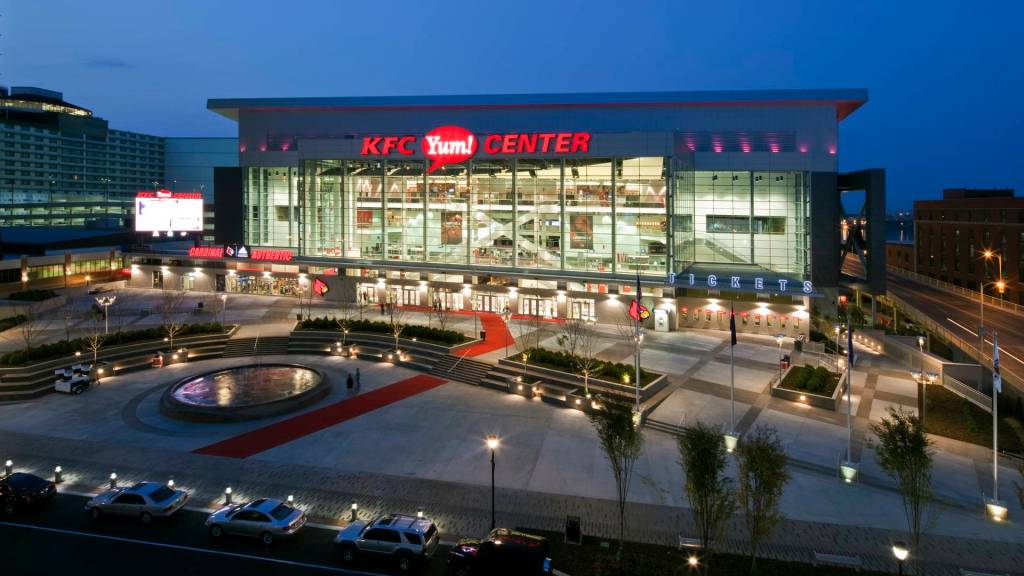
Copyright: © 2010 Bob Perzel
Those that live in Seattle have been greatly affected by the tech industry. Permanent residents have had to move out to find a more affordable place to live. Cities are being overrun by big tech, influencer culture, luxury hotels, and apartments. We see it here in Louisville as multiple luxury apartments are being built while people are in need of affordable housing. Hotels are being built to cater to tourism when locals could use better public transport. People who work and live downtown are still paying extra taxes to pay for the high costs of building the Kentucky Yum Center. They call it progress and while we don’t benefit from it we certainly pay for it.
Is it progress if those that have called a city home for years are pushed out? Gentrification provides a small number of jobs but it takes from those that already live and work in the neighborhood. Gentrification does not lead to effective change and its long-term effects cannot be undone. With governments pulling funding and a growing police presence throughout our cities we can see as they are destroying the possibility of true progress in favor of their own. With Louisville Metro implementing a new ordinance that is meant to protect those that live in subsidized housing from being displaced we can see that steps are being made in the right direction.4 In the face of gentrification we must always work towards securing our neighborhoods so they serve those of us that live here.
 LOUISVILLE CPUSA
Leave a comment