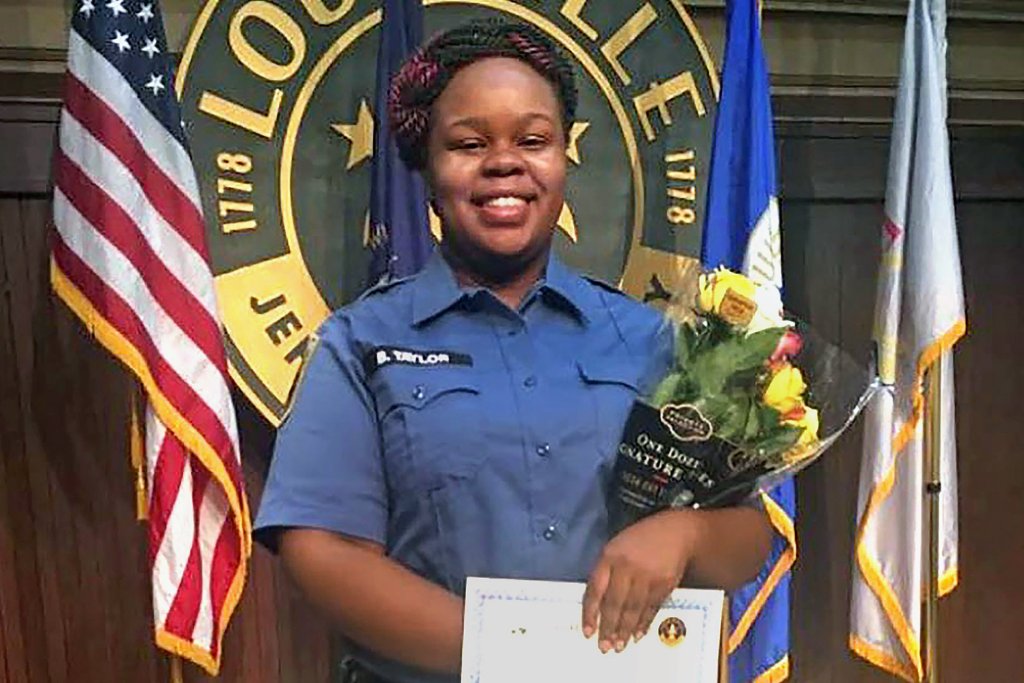
On Wednesday May 21st, 2025, The Department of Justice, under orders from the Trump Administration, dismissed its own lawsuit against Louisville Metro Government, which proposed a “Police Consent Decree” that was jointly requested and agreed upon by both the Louisville Metro Government and the Justice Department at the end of last year. This consent decree would, according to a DOJ press release published last December, “set out specific policies, trainings, and programs that Louisville Metro and LMPD will implement to protect the rights of Louisville residents and promote public safety”. It would also require Louisville Metro and LMPD to collect and analyze data in order to “hold officers and Louisville Metro employees accountable”. This additional oversight was to be observed by an independent monitor, who would regularly report on the progress of the agreement’s implementation to the public.
Considering the current administration, it comes as no surprise that the DOJ would cancel the proposed consent decree. It comes after a wave of harmful decisions that put minorities in danger. The announced decision on the DOJ’s website says the consent decree, “Would have imposed years of micromanagement of local police departments by federal courts and expensive independent monitors, and potentially hundreds of millions of dollars of compliance costs, without a legally or factually adequate basis for doing so.” This lawsuit and subsequent consent decree was filed by the DOJ under the Biden administration just over 2 years ago, in March of 2023, and stemmed from the consistent and systematic abuses by the Louisville Metro Police Department, and the 2020 Black Lives Matter protests that followed. Despite taking place almost exactly 5 years ago to the month, these protests and the violence that spurred them cannot and will not be forgotten by the people of this city.
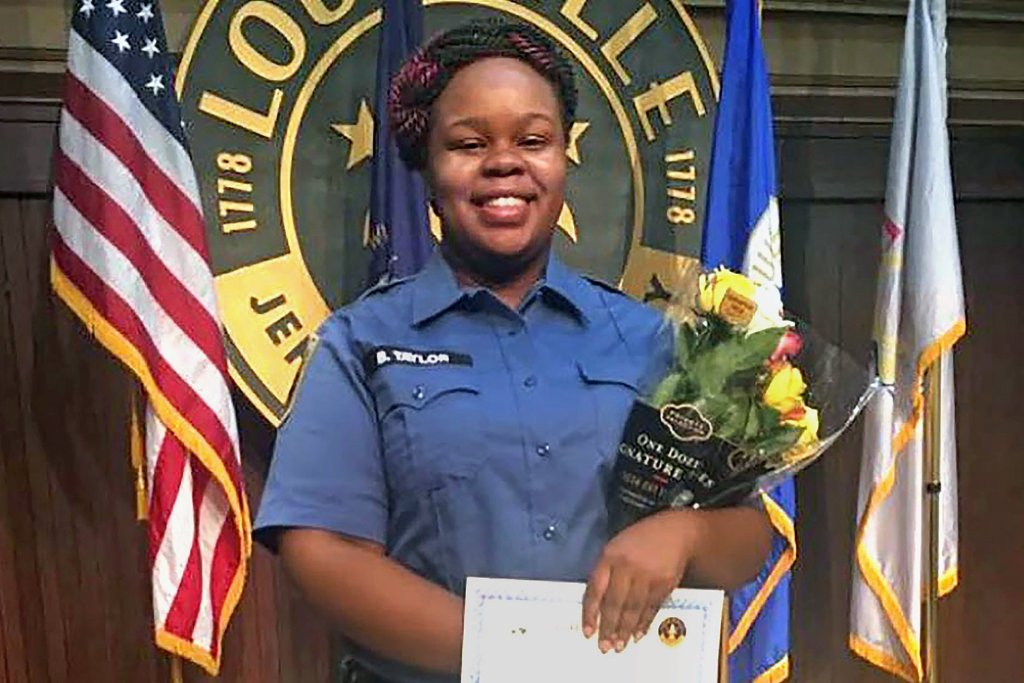
Louisville remembers the names Breonna Taylor and David McAtee. We remember Travis Nagdy and Tyler Gerth. We remember the helicopters, the barricades, the curfews, the taste of teargas. We remember the thousands of people who filled the streets demanding justice, not just for one or two lives lost, but for generations of racist repression enforced at the end of a barrel or rope. In Louisville, 2020 was not just an exceptional moment of protest – it was a historic rupture in the “normal” functioning of things. We experienced the reality of the dictatorship of capital firsthand: armored vehicles, chemical weapons launched at children and elders alike, mass arrests, disappearances, and routine militarized terror.
There was, though, another experience: the power of the people. In the face of recently unseen repression, downtown Louisville transformed. Mutual aid tables sprung up, medics treated those in need without hesitation, workers and youth organized food, water, education, legal support, and security. Entire blocks were transformed into spaces of care and resistance. We witnessed Black and oppressed leaders rise, not from boardrooms and then-city council seats, but from the rank-and-file workers, the unemployed, the students, and the homeless. We saw neighbors put their bodies between police lines and our youth. We saw chants slowly become strategy meetings. We saw entire neighborhoods protecting one another from police raids. For a brief but unforgettable moment, the authority of the capitalist state faltered, and in that space, the glimmer of real change emerged. Now, once again, we are faced with the naked truth: under capitalism, there can be no lasting justice.
Let us be clear: the Biden administration’s reforms already fell short of justice. They offered limited, temporary tools that would have ultimately been rendered useless by the local capitalist class. Nothing in these reforms would have altered the fundamental class nature of the police. However, even these modest adjustments are now under coordinated assault by the most reactionary administration in recent memory. This is not just policy reversal, it is a coordinated counteroffensive. The swift dismantling of these reforms underscores their fragility. The 2020 people’s movement in Louisville represented much of the best of working class resistance, but it also showed many limits and setbacks, particularly of spontaneous protest without leadership and strategy. The state’s ability to absorb this kind of protest, offer symbolic or ineffectual reforms, and then retract them once the pressure dissipates is a testament to the stability of capitalist oppression when left unchallenged by organized mass power. Only a politically conscious, organized working class can challenge such deeply entrenched institutions of oppression.
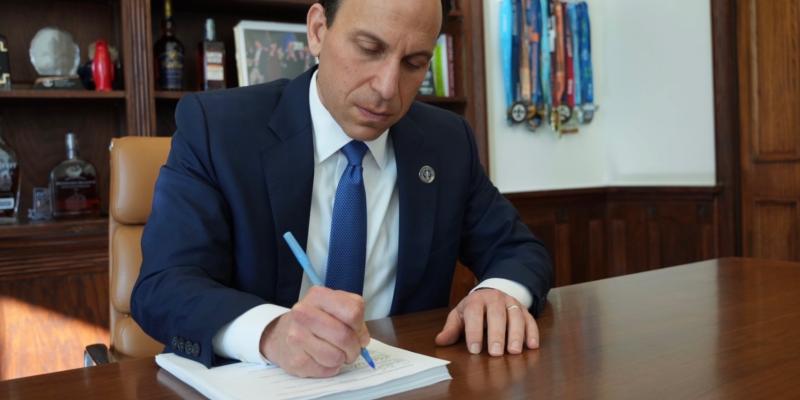
Louisville’s police department has shown a disturbing pattern of violating the civil rights of black citizens. While a decree may not be able to solve the problems outright, it at least held them to account. With the decree no longer being in place and given the department’s history, what does that mean for Louisville’s citizens? Those most affected by the LMPD’s actions will continue to lack trust in a corrupt system. While the consent decree didn’t solve every problem, it at least meant that there were efforts being made to enforce accountability. With the decree no longer in place Louisville’s most vulnerable citizens are left to wonder what it was all about. After all, Louisville Mayor Craig Greenberg’s administration was slow to finalize the consent decree, leading to its cancellation at the hands of the Trump administration. While Greenberg attempts to save face, Louisville’s citizens must remember the Mayor’s weakness. Greenberg says that, “This community commitment will lead to the same results we were pushing for in the court-ordered consent decree.” It’s impossible to believe a man who pulled funds from important progressive organizations and city functions, and gave it to a police department with a suspect history.
This rollback should not surprise anyone who has studied the nature of the state. The police in the United States did not emerge to protect public safety. They emerged from slave patrols, settler militias, and strikebreaking gangs. Today, they serve not too dissimilar functions to contain the dispossessed, discipline the working class, and suppress the resistance of Black, Brown, and poor communities. We must demand, not someday but now, community control of the police. Communities must have the ability to hire and fire police, to oversee policy and budgets, and participate in expanded open investigations. New systems of safety rooted in care, and not coercion, must be developed and supported. To achieve this, we need deep, organized unity. The work must happen at the grassroots, in our workplaces and neighborhoods. These reversals are not the end of the story, they are a turning point. Let this be the moment where our communities say clearly: we will not accept unchecked police terror. Justice for Breonna Taylor is not a demand of the past and the fight for community control is not just a slogan, it is a program for dignity. 2020 was not just a fleeting moment, it was a declaration that when we rise together, we can make history. We can rise again, for all those stolen.
 LOUISVILLE CPUSA
Leave a comment